

For some people, a visit to the dentist brings a little nervousness. For others, dental anxiety or fear can make it difficult to schedule or complete the care they need. Fortunately, sedation dentistry can help make dental treatment a more comfortable and manageable experience for appropriate patients.
Sedation dentistry uses medication to help patients relax during dental treatment. Depending on the type of sedation used, you may remain fully awake and able to communicate with your dental team, or you may become significantly drowsy.
At Allred Dental in San Marcos, CA, we understand that every patient has different needs and comfort levels. Learning about the different types of dental sedation can help you have a more informed conversation with your dentist about your options.
What Is Sedation Dentistry?
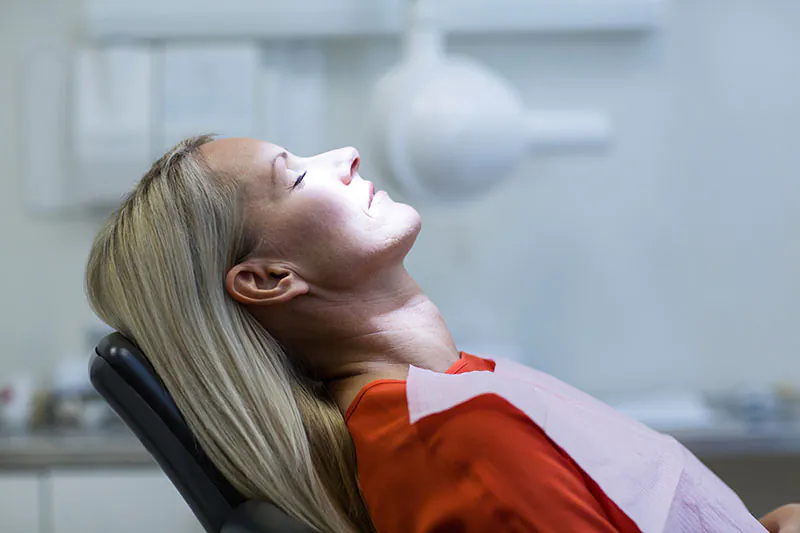 Sedation dentistry involves using medication to help reduce anxiety and promote relaxation during dental treatment.
It's important to understand that sedation isn't the same thing as general anesthesia. With many forms of dental sedation, patients remain conscious, responsive, and able to communicate with the dental team. The depth of sedation can vary depending on the medication and method used.
Sedation may be considered for patients who:
- Experience dental anxiety or fear
- Have had difficult dental experiences in the past
- Have a strong gag reflex
- Have difficulty sitting comfortably through dental treatment
- Need more extensive or lengthy dental procedures
- Have difficulty becoming numb with local anesthesia alone
- Have special healthcare considerations that make certain treatments more challenging
Sedation does not replace local anesthesia. For procedures that could cause pain, your dentist will typically still use local anesthetic to numb the treatment area.
What Are the Different Types of Dental Sedation?
Sedation can range from minimal relaxation to deeper levels of sedation. The appropriate option depends on your health, anxiety level, treatment needs, and the type of sedation your dental provider is equipped and trained to provide.
Nitrous Oxide Sedation
Nitrous oxide, commonly called "laughing gas," is one of the mildest and most widely used forms of dental sedation.
You breathe nitrous oxide mixed with oxygen through a small mask placed over your nose. It can help you feel calm and relaxed during treatment while generally allowing you to remain awake and responsive.
One of the advantages of nitrous oxide is that its effects wear off relatively quickly after the gas is stopped. In many cases, patients can return to their normal activities shortly after their appointment.
Nitrous oxide can be a good option for patients with mild to moderate dental anxiety or those who simply want help feeling more relaxed during their dental visit.
Oral Sedation
Oral sedation involves taking a prescribed medication before or around the time of your dental appointment. Depending on the medication and dosage, oral sedation can range from minimal to moderate sedation.
Patients may feel very relaxed or drowsy and may remember little about the appointment. However, they can often still respond to verbal communication or gentle stimulation.
Because oral sedation can affect alertness and coordination for several hours, patients who receive it generally need someone else to drive them to and from their appointment and should follow their dentist's instructions regarding activity, eating, drinking, and medications.
IV Sedation
Intravenous, or IV sedation, delivers sedative medication directly into a vein. Because the medication enters the bloodstream directly, the dental team can typically adjust the level of sedation during treatment based on the patient's needs and response.
IV sedation can provide a deeper level of relaxation than nitrous oxide and may be appropriate for certain patients undergoing more involved dental procedures.
Patients receiving IV sedation require appropriate monitoring throughout treatment and will need someone to drive them home afterward. Your dental team will provide specific instructions for preparing for the appointment and recovering afterward.
General Anesthesia
General anesthesia produces a state of unconsciousness and is different from the forms of conscious sedation commonly used in dental offices.
It may be appropriate for certain complex situations or patients who cannot tolerate treatment while conscious, but it requires more extensive monitoring and specialized care.
General anesthesia isn't necessary for most routine dental procedures. If it is being considered, your dental provider will discuss why it may be appropriate and what the process involves.
What Are the Benefits of Sedation Dentistry?
The potential benefits depend on the type of sedation used and the individual patient.
Helps Reduce Dental Anxiety
For patients who feel nervous or fearful about dental treatment, sedation can create a greater sense of calm and make it easier to receive necessary care.
Enhanced Comfort During Treatment
Sedation can help patients remain relaxed during procedures, particularly when treatment is lengthy or involves multiple steps.
Remember that sedation primarily addresses anxiety and awareness. Local anesthesia is still used to prevent pain during many dental procedures.
Makes Longer Appointments Easier
Some patients may benefit from sedation when they need extensive dental treatment. Being more relaxed can make it easier to remain comfortable during a longer appointment.
Can Help Patients Receive Care They've Been Avoiding
Dental anxiety can sometimes lead people to postpone appointments for months or even years. Sedation may help some patients overcome that barrier so they can address existing dental concerns and get back on track with preventive care.
Is Sedation Dentistry Safe?
Sedation dentistry is considered safe when the appropriate medication and level of sedation are selected for the patient and administered with proper monitoring and training.
Before recommending sedation, your dental team should review your medical history, medications, allergies, and other relevant health information. The type and amount of sedation need to be carefully considered based on your individual circumstances.
It's important to follow all pre- and post-treatment instructions*provided by your dental team. Depending on the type of sedation, you may need to avoid eating or drinking beforehand and arrange for someone to drive you home afterward.
Which Type of Sedation Is Right for You?
There isn't one sedation dentistry option that's right for everyone.
Your dentist will consider your level of anxiety, the procedure you're having, your medical history, medications, age, and other factors when determining whether sedation is appropriate and which approach may be safest and most effective.
For some patients, nitrous oxide may provide enough relaxation to make dental treatment comfortable. Others may benefit from a deeper level of sedation.
The best way to understand your options is to discuss your concerns openly with your dental team. You don't have to feel self-conscious about dental anxiety. Your dentist will work with you to develop a treatment experience that takes your comfort seriously.
Comfortable Dental Care in San Marcos
Dental anxiety shouldn't keep you from receiving the care you need. Sedation dentistry can be an important tool for helping appropriate patients feel more relaxed and comfortable during dental treatment.
At Allred Dental in San Marcos, CA, our team is committed to providing personalized dental care in a comfortable, supportive environment. If you've been putting off dental treatment because of fear or anxiety, talk with us about your concerns. We can help you understand whether sedation dentistry may be an option and discuss what you can expect before, during, and after treatment.
Contact Allred Dental to schedule an appointment and learn more about your sedation dentistry options.


