


Have you ever noticed your jaw clicking when you open your mouth, woken up with a headache, or felt soreness around your ears after a long day? These symptoms can be easy to dismiss, especially when they come and go. But if they happen regularly, they may be related to a temporomandibular disorder (TMD).
The temporomandibular joints, commonly called TMJs, connect your lower jaw to your skull. You use them throughout the day when talking, chewing, yawning, and opening your mouth. When these joints or the surrounding muscles become irritated or aren't functioning comfortably, everyday movements can become painful.
At Allred Dental in San Marcos, we offer personalized TMJ treatment to help patients manage jaw discomfort and related symptoms. Understanding what may be causing your pain is an important first step toward finding relief.
What Is TMJ Disorder?
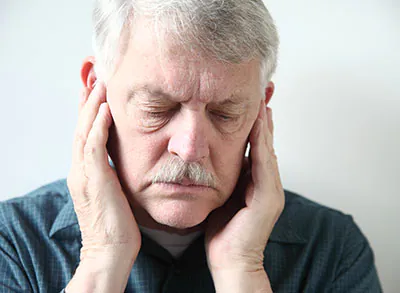 TMJ refers to the temporomandibular joints themselves, while TMD describes a group of conditions affecting the joints, chewing muscles, and surrounding structures. Although people often use the terms interchangeably, TMD is the more accurate term for the disorder.
These conditions can affect how comfortably your jaw moves. Some people experience muscle tension or soreness, while others have symptoms related to the joint itself. Symptoms can be occasional or persistent, and they may affect one or both sides of the face.
Common Signs and Symptoms of TMD
TMD doesn't look the same for everyone. Some people notice a clicking sound, while others experience ongoing discomfort that affects eating, speaking, or sleeping.
Common symptoms include:
- Jaw pain or tenderness: You may feel soreness near your jaw joints, cheeks, or temples, especially when chewing or opening your mouth.
- Frequent headaches: Tension around the jaw and chewing muscles can contribute to headaches, including discomfort around the temples.
- Earaches or pressure: Because the jaw joints sit close to the ears, TMD can sometimes cause ear-area pain or a feeling of fullness.
- Clicking or popping: You may hear or feel a clicking or popping sound when opening or closing your mouth. Sounds without pain or limited movement are common and don't necessarily require treatment.
- Jaw stiffness: Your jaw may feel tight, tired, or difficult to move, particularly in the morning.
- Pain when chewing or yawning: Activities that require a wider range of jaw movement may trigger discomfort.
- Jaw locking: In some cases, the jaw may temporarily become stuck in an open or closed position or feel difficult to move normally.
If you're experiencing recurring pain, difficulty opening your mouth, or symptoms that interfere with daily activities, a dental evaluation can help determine whether TMD may be involved.
What Causes TMJ Disorder?
There isn't always one clear cause of TMD. Symptoms can develop from a combination of factors involving the jaw joints, muscles, habits, and overall health.
Some common contributing factors include:
Teeth clenching and grinding: Bruxism, or habitual clenching and grinding, can place repeated pressure on the teeth and jaw muscles. Some people grind their teeth while sleeping without realizing it, while others clench during the day when concentrating or feeling stressed. Over time, this activity can contribute to muscle soreness, headaches, and tooth wear.
Stress and muscle tension: Stress can make people more likely to tighten their jaw muscles or clench their teeth. Even when you're not consciously grinding, holding tension in your jaw throughout the day may contribute to discomfort.
Joint irritation or injury: Trauma to the jaw, inflammation, or changes within the joint can affect how it moves and feels. Some people also develop symptoms associated with arthritis or other joint conditions.
A combination of factors: TMD is often multifactorial. Clenching, muscle tension, joint changes, and other influences may contribute together rather than one issue explaining every symptom.
Identifying the factors that may be contributing to your discomfort helps your dentist recommend an appropriate treatment approach.
How Is TMJ Disorder Diagnosed?
If you suspect you may have TMD, your dentist will start by discussing your symptoms, including when they occur, where you feel discomfort, and whether certain activities make it worse.
An examination may include checking your jaw's range of motion, listening or feeling for joint sounds, and evaluating tenderness in the jaw and surrounding muscles. Your dentist may also look for signs of clenching or grinding, such as worn or damaged teeth.
In some situations, additional imaging or evaluation may be appropriate to better understand the joint or rule out other causes of pain.
Because headaches, facial discomfort, and earaches can have several possible causes, it's important not to assume every symptom is related to TMJ disorder. A thorough evaluation helps guide the next steps.
TMJ Treatment Options at Allred Dental
TMD treatment depends on the symptoms you're experiencing and the factors contributing to them. Allred Dental offers oral appliances and medicinal therapy as part of a personalized approach to TMJ care.
Oral Appliances and Custom Nightguards
If clenching or grinding is contributing to your symptoms, your dentist may recommend an oral appliance, such as a custom nightguard. These appliances fit over your teeth and create a protective barrier between the upper and lower arches.
A nightguard can help protect teeth from the effects of grinding and may reduce some of the strain associated with clenching. It is important to understand that an oral appliance does not necessarily eliminate the underlying cause of TMD, and results vary depending on the condition being treated.
For more information about how these appliances work and the signs that you may benefit from one, read our related article: Do I Need a Nightguard? Here's How to Know.
Medicinal Therapy
Depending on your symptoms and clinical evaluation, medication may be recommended to help manage pain, inflammation, or muscle-related discomfort.
The appropriate approach depends on the individual. Dr. Allerd and his team can discuss your treatment options, including medicinal therapy, and whether coordination with another healthcare provider is appropriate. Medication is generally one part of a broader treatment plan rather than a solution to every underlying cause of jaw discomfort.
Additional Ways to Manage Jaw Discomfort
Professional treatment may be supported by simple changes to your daily habits. Depending on your symptoms, your dentist may recommend:
- Choosing softer foods temporarily when your jaw is especially sore.
- Avoiding chewing gum and limiting foods that require excessive chewing.
- Being mindful of daytime clenching and keeping your jaw relaxed when resting.
- Applying a warm or cold compress to the affected area.
- Avoiding habits such as nail biting or chewing on pens.
- Following any recommended home-care instructions or exercises.
These steps may help reduce strain while you work with your dental team to manage your symptoms.
Find Relief From Jaw Pain at Allred Dental
Jaw clicking, headaches, and facial soreness can have more than one explanation, but persistent symptoms deserve attention. If jaw discomfort is making it harder to eat, speak, sleep, or enjoy your day, an evaluation can help you understand what's happening and which treatment options may be appropriate.
At Allred Dental, Dr. Jeffrey Allred and our team take a personalized approach to TMJ care. We offer oral appliances and medicinal therapy to help address symptoms and support your comfort.
If you're experiencing jaw pain or other possible signs of TMD, contact Allred Dental in San Marcos, CA, to schedule your consultation and discover the relief you need.


